
Army Navy Store

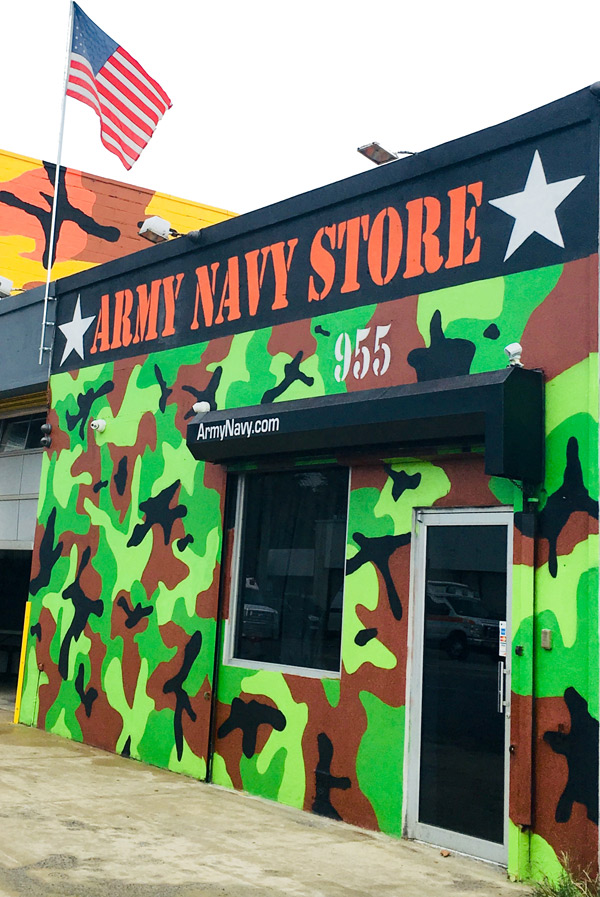
Brooklyn Army Navy & Tactical Store
955 Remsen Ave
Brooklyn, NY 11236
(Between Foster Ave - Ave D)
Canarsie
Store Hours:
| Monday: | 10:30 am — 5:45 pm |
| Tuesday: | 10:30 am — 5:45 pm |
| Wednesday: | 10:30 am — 5:45 pm |
| Thursday: | 10:30 am — 5:45 pm |
| Friday: | 10:30 am — 4:00 pm |
| Saturday: | Closed |
| Sunday: | Closed |
Public Transportation:
Subway
L Train - Canarsie / Rockaway Parkway
Bus
B17 - Foster Ave / Remsen Ave
B60 - Foster Ave / Rockaway Ave
Payment Methods:

- Credit Cards (Visa, MasterCard, American Express, Discover)
- Debit Cards
- PayPal
- Zelle
- Apple Pay
- NFC Mobile Payments
- Business Checks
- Bank Wire Transfer
Maps:
On-Site Services:
- Custom Dog Tags Printing
- Custom Screen Printing Clothing & Apparel
- Custom Embroidery
- Blanks / Generic Product Assistance
Donate Your Old Military Surplus:
We accept donations of new and used military surplus clothing, army surplus, uniforms, equipment, tactical gear, camo clothing, bags and packs, etc.
Please contact by email in advance with product information. Restrictions apply.

• Military Uniforms
• Camo Clothing
• Tactical Clothing
• Army Fatigues
• Combat Apparel
• Law Enforcement
• Police & Security
• EMT / EMS / Paramedic
• SWAT
• Airsoft & Paintball
• Public Safety
Custom Dog Tags & Military ID Tags
Personalize and custom print durable metal name tags & army dogtags at the army navy store.
• Custom Made Tags
• Your Personal Information
• Stainless Steel (Won't Rust)
• Durable and Long Lasting
• Embossed Characters (Raised Letters)
• Order & Produced While-U-Wait!
Brooklyn Embroidery & Custom Printing
Custom print and embroider clothing, apparel, garments and most fabrics to design anything you can imagine. Personalize and design any logo or text at the Brooklyn Embroidery & Print Shop.

- T-Shirts
- Polo Shirts
- Short & Long Sleeve Tees
- Hoodies, Sweatshirts & Sweatpoants
- Hats & Caps
- Pants
- Tank Tops
- Jackets and Coats
- Blouses and Tops
Gift Cards
Give the perfect gift. Send a gift instantly in any amount you choose by ordering a online gift card for a loved one.
ORDER A GIFT CARD
Rothco Dealer
Rothco is one of America's foremost suppliers of camo clothing, tactical uniforms, security clothing, tactical gear, outdoor equipment, hunting apparel, boots, military products and army navy supplies.
Army Universe has partnered with Rothco as one of the exclusive and largest authorized dealers offering the complete product line for retail and wholesale purchase. Shop online, browse the online catalog or visit the NYC showroom, tactical store and army navy store to browse the unique selection of tactical gear.
This strong relationship as a top dealer guarantees you the largest selection, lowest prices and quickest delivery.
Products
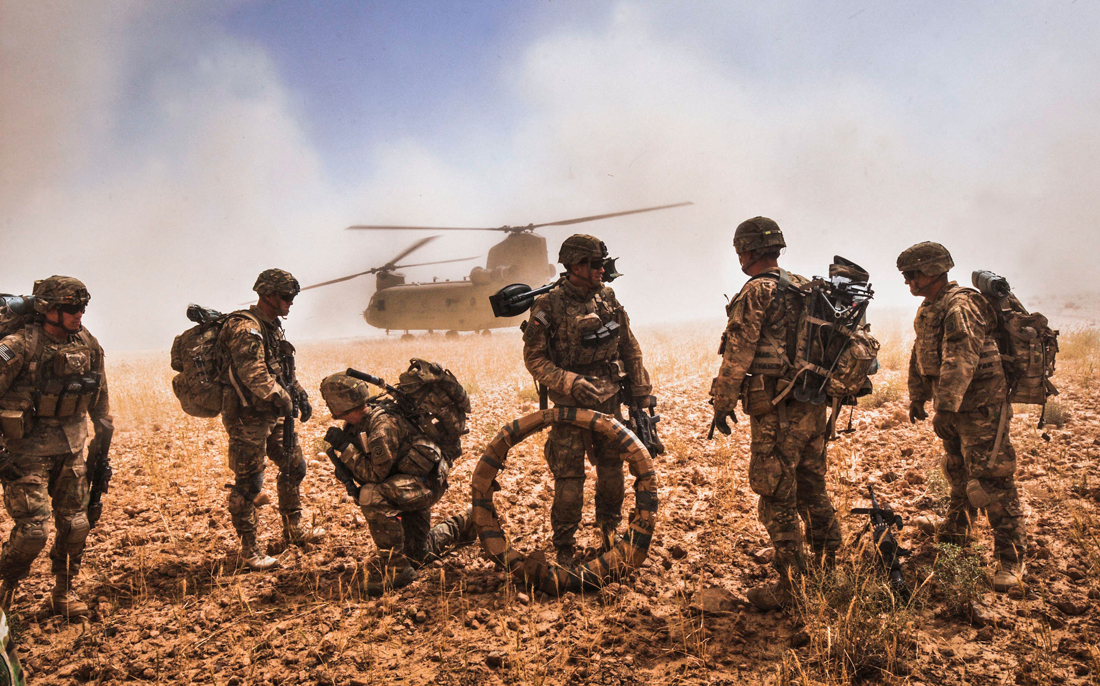
- Camo Clothing - Pants, Shirts, T-shirts, Shorts, Tops, Bottoms
- Tactical Bags and Packs, Knapsacks, Backpacks, Totes, Shoulder Bags, Messenger Bags
- Tactical and Military Clothing
- Military Surplus
- Security Clothing & Uniforms
- Work Clothing, Work Boots
- Navy Blue, Midnight Blue, Dark Navy Black, Camo Uniforms
- EMT, EMS, Paramedic, First Responder Uniforms
- Police Uniforms, Law Enforcement Gear
- Patches, Pins & Military Insignia, Rank Insignia
- Military Cargo Fatigues, Vintage Paratrooper Pants
- Army Dog Tags & Military ID Tags, Custom Printed
- Pants, Shirts, Shorts, Vests
- Army Fatigues Uniforms
- Cargo Pants, Camo Cargo Shorts, Long Military Shorts
- BDU Pants, ACU Uniforms, OCP W2 Uniforms
- ACU Trousers, Army Combat Uniforms
- Military T-Shirts, Camo Tees and Tank Tops
- Flightsuits and Coveralls
- Travel, Hunting & Tactical Vests
- Military Boots, Uniform Shoes and Oxfords
- Work Boots, Uniforms Boots, Mickey Mouse Boots
- Desert Tan Boots, Black Boots, 6 in / 8 in Tactical Boots
- Waterproof Boots, Rain Boots
- Shoe Polish
- Winter Cold Weather Clothing
- Military Socks, Winter Gloves
- Cold Weather Clothing, Jackets, Coats, Outerwear
- Winter and Work Gloves
- Ropes and Paracord, 550 Cord
- Tactical Vests, Work and Outdoor Vests, Travel Vests
- Tactical Backpacks and Outdoor Travel Packs
- Tactical Shoulder Bags, Vintage Bags and Packs
- Military Bags and Packs, Knapsacks
- Duffle Bags, Messenger Bags, Backpacks
- Outdoor, Survival & Camping Equipment
- Sleeping Cots, Stools, Camping Chairs, Tents
- Hats, Caps, Berets, Shemaghs, Boonie Hats
- Bucket Hats, Scarves, Bandanas
- Costumes for Halloween & Purim, Show Props
- Face Paint, Ghillie Suits, Camo Hunting Coveralls
- Army Surplus, Genuine GI Military Gear
- Paintball and Airsoft Clothing, Uniforms, Gear
- Flannel Shirts, Lumber Jack Shirts
- Cold Weather Clothing, ECWCS
- Thermals, Long Johns, Cold Weather Underwear
- Sunglasses, Air Force Aviators, Goggles
- Jackets, Coats, Parkas, Rain Suits, Ponchos
- Coveralls and Flightsuits
- Camo Vests, Camo Gloves, Uniform Berets
- Web Belts, Uniform Belts, Leather Belts
- MRE Ready-To-Eat Meals
- Zombie Apocalypse Gear
- Insect Repellent
- Veterans Uniforms from Vietnam, Korea, Afganistan, Iraq Era
- Metal Ammo Cans
- Wholesale Military Clothing
- Wholesale Camo Uniforms
- Wholesale Tactical Supplies
- Shoe Care and Polish
- Camping Pouches
- Web Belts, Uniform Belts, Leather Belts, Black Belts
- Camping Socks, Winter Socks, Tactical Socks
- Flags
- Pins and Military Insignia
- Tactical Patches, Military Patches
- Military Stickers and Armed Forces Decals
- Sunglasses, Aviators, Air Force Eyewear, Military Sunglasses
- Binoculars and Goggles
- Camping Cups, Travel Canteens and Water Carriers
- Military Books and Tactical Training DVDs
- Thermals, Under Garments, Base Layers, Cold Weather Thermals
- Camo Knee Pads and Tactical Elbow Pads
- Badges and Security ID
- Ammo Cans, Metal Military Surplus Cans
- Camping Chairs and Stools, Travel Folding Stools
- Jacket Liners, M65 Coat Liners
- Winter Blankets, Flannel Blankets, Wool Military Surplus Blankets
- Gas Masks and Gas Mask Filters
- Lanterns
- Face Paint
- and much more...
Contact us for wholesale pricing and quotes on large and bulk quantities.
Uniforms
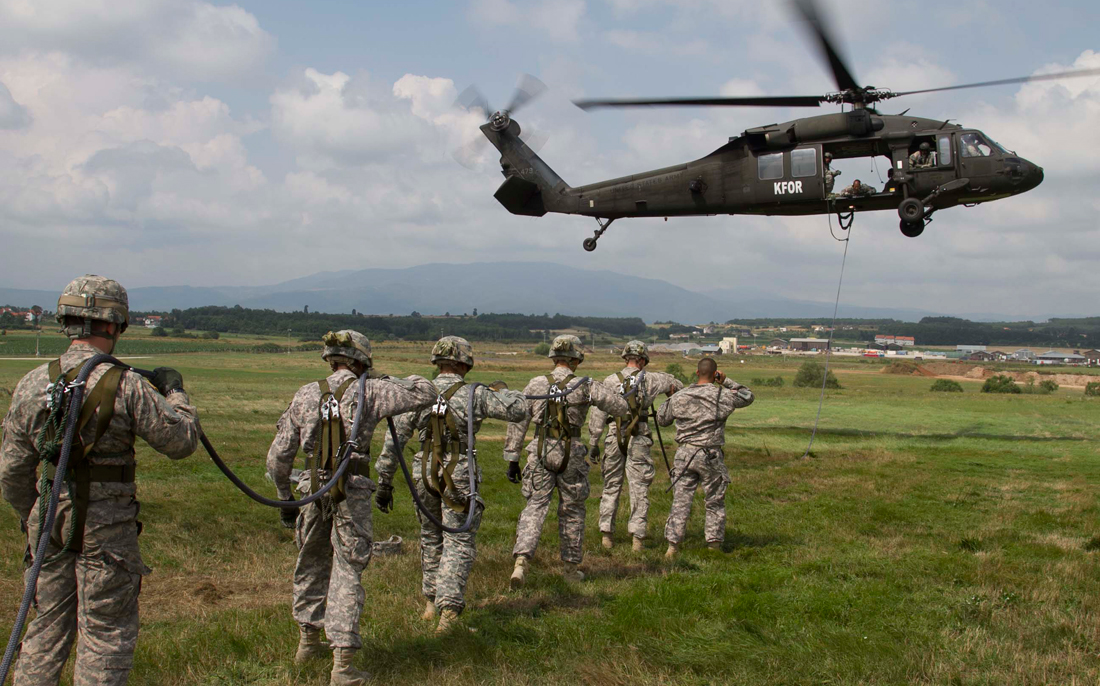
- Tactical Uniforms
- Camouflage Uniforms
- Army Camo Fatigues
- Security Uniforms
- EMT / EMS / Paramedic Uniforms
- Police, Law Enforcement, Public Safety Uniforms
- Work Uniforms and Clothing
- BDU - Battle Dress Uniform
- ACU - Army Combat Uniform, Universal Pattern ACUPAT, ACU Digital Camouflage
- DCU - Desert Camouflage Uniform
- OCP - Operational Camouflage Pattern, Scorpion W2, Multicam Uniform, US Military Issue Milspec
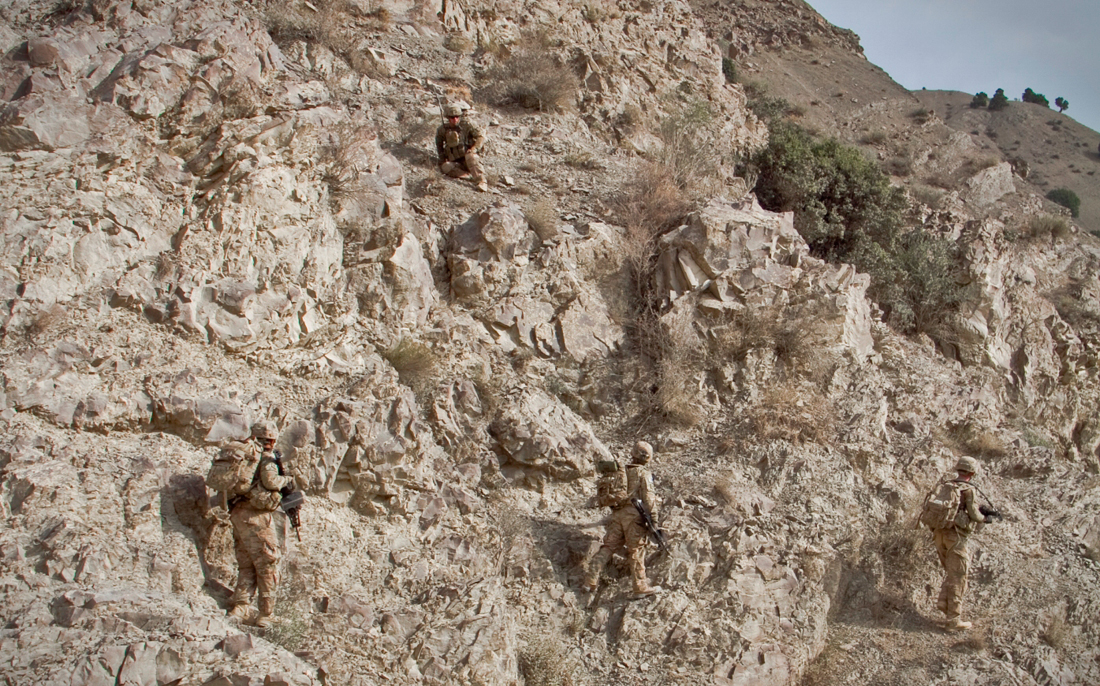
Camouflage Clothing Colors
- Digital Camouflage
- Army Digital Camo ACU
- Tiger Stripe Camo Vietnam
- Olive Drab
- Navy Blue / Midnight Blue / Dark Navy
- Khaki / Beige / Desert Tan
- Pink Camo
- Desert Camo
- Hi Viz, High Visibility, Neon Green, Safety Orange, Hunting Blaze Orange
- Woodland Camo, Green Camouflage, Original Camo, ERDL Leaf Pattern
- Blue Camo
- Black and White Camo, City Camo, Urban Metro Camo
- Digital Camo Clothing
- MARPAT / ACUPAT / OCP Scorpion W2
- Multicam
- Purple Camo
- Smokey Branch Camo
- Red Camo
- Yellow Camo
- Orange Camo
- Plaid / Lumber Jack Pattern
- and much more...
Brands
- U.S. G.I. Military Surplus
- Rothco
- Propper
- Alpha Industries
- Army Universe
- Fox Outdoor / Fox Tactical
- AO Eyewear
- Repel / Cutter
- Bushrag
- Cammenga
- Lincoln
- Kiwi
- Wigwam
- Dickies
- Tru-Spec by Atlanco
- Hanes
- Condor Outdoor
- and much more...
Product Fields
- Army Navy and Camouflage
- Military and Tactical
- Law Enforcement
- Police and Security
- Public Safety
- EMT, EMS and Emergency Medics
- Uniforms and Workwear
- Camping and Survival
- Outdoor, Hunting and Firearms
- Preppers and Survivalists
- Airsoft and Paintball
- Government Procurement
- Screen Printing and Custom Embroidery
- Promotional and Advertising
- Costumes and Film Props
- Fashion and Design
Stores are independently owned and operated.
Store policies, hours of operation, product selection, and prices vary and are subject to change.
Army Navy Stores In NYC
NYC's Tactical & Military Store For Camouflage Clothing, Military Uniforms, Tactical Gear, Army Surplus.
ArmyNavy.com Army Navy Store and Galaxy Army & Navy are military and tactical stores and a unique shop and destination in New York City for army clothing, military uniforms, military surplus, vintage fatigues, camo clothing, military gear, outdoor boots, camping cots, digital camouflage tees, camo pants, military uniforms, BDUs, ACUs, cold weather clothing, thermals, jackets, arctic parkas, coats, military hats and caps, headwear, camo caps, genuine army surplus, army fashion clothing, travel bags and canvas duffle bags, military packs and so much more.
Army And Navy Stores
Army & Navy stores gained much popularity and common ground after WWII. Many soldiers and veterans who had a tremendous know how of military products and apparel started buying surplus from the us and European governments. Most of the military surplus came from veterans and government rejects, which were as good as first quality.
A surplus store sells items that are used, or purchased but unused, and no longer needed. The surplus is often military, government or industrial excess. The idea is related to a thrift store, though the latter is primarily consumer leftovers. A surplus store may also sell items that are past their use by date.
An army surplus store or navy surplus store is any store, usually retail, which sells military surplus - general equipment that was intended for the military but is unable to be used or originally purchased in excess by the military. These stores often sell camping equipment, military cots or military clothing (especially jackets and helmets).
As time progressed so did the army/navy shops. Today our army/navy store as well as others are traditional with military surplus and new gear for US soldiers. Many stores also carry work clothing, sporting goods, outerwear, boots, outdoor and camping products, BDUs, ACUs, ABUs, DCUs, military gear and school uniforms as well as military grade commercial clothing and so much more.
Army Surplus Shops
We sell retail and wholesale army and military surplus directly to the public. We distribute all kinds of military surplus ranging from desert combat boots, field packs, construction boots, military coats, army jackets, flight suits, military coveralls, cold weather gear, army rucksacks, ALICE and MOLLE packs and bags. Military surplus are goods that are sold at public auction when no longer needed by Army. The surplus can include army clothing, combat military boots, carry modular bags, ALICE gear, water bottles and everything except ammunition. Usually the goods sold by the military are clothing, equipment, and tools of a generally useful nature. Military surplus items are people favorite due to its high quality, durability, and cost effectiveness compared to commercial grade goods.
Our online army surplus shop provide complete information about a wide range of Army Surplus products, like Army Surplus clothing, various camping equipments and other Army Surplus and also the Military Surplus goods. It even gives detailed information about various accessories that includes army surplus trousers, jackets, headwear and footwear, boots including badges, dog tags, insignia and military patches. We also have products from some the largest suppliers to the US military and armed forces, as well as those which sell army surplus products and military style clothing and goods. More or less any item that is related to army, military requirements can be found by referring to our website but in case in case any item is not missing, the customer can order by calling our toll free phone number. You will definitely find the desired products. Galaxy Army Navy is one of the most popular sites for military products in the United States, Canada and Britain (UK) and as well as other international countries.
Safety and Security is the main purpose of the military, so army surplus shop has another type of clothing known as the security wear. Anyone who visits our n.y.c. retail store can choose from a wide range of security wear and clothes. One can go through the different types of footwear and for clothing for women and kids to. We have a growing and cute but wide range of kids wear and children's clothing for boys and girls. The armed forces have to face harsh climate quite often and it is advisable to be well equipped all the time while in a war with enemies or with nature. So we have introduce a wide range of outdoor products called and Wet Weather Gear, it includes many different kinds of safety equipments.
Our site basically helps in the retail of the products launched by army navy surplus shops. It enables the customers to view the prices and pictures of the products or items offered by military surplus competitors. In other words, our army site is like a retail store and is easily navigable. It is the unique military clothing which is presented with a different approach which attracts people. In the clothing section we come across hundreds of trendy jackets, several trousers and shirts/t-shirts. You shall find some excellent vests thermal/base tops and bottoms and many fleece layered products. Each and every type of clothing is very carefully made and it is ensured that it should fulfill the requirements of the user.
Many items of the army surplus shop, may have a grade quality assigned on them. This enables our customers to know whether the products are true surplus items or some kind of brand new items designed to have a vintage style or surplus look. Grade 1 items may be vary from average to high quality and is useful for everyday wear. But they are cheaper than super grade items and again much cheaper compared to the new items. Super grade and Genuine GI (Government Issue) items are of a considerably high standard and may have been issued but they are not used.
Popular and frequent search terms in our industry: army clothing, army navy, army navy store, military surplus, camouflage clothing, tactical gear, uniforms, galaxy army navy.
About The Galaxy & Universe We Live In
Being that our business name is galaxy we felt it only appropriate to spend some time to talk about it. The galaxy we live in is called the Milky Way. A galaxy is a massive, gravitationally bound system that consists of stars and stellar remnants, an interstellar medium of gas and dust, and an important but poorly understood component tentatively dubbed dark matter. The name is from the Greek root galaxias, meaning "milky," a reference to the Milky Way galaxy. Typical galaxies range from dwarfs with as few as ten million stars up to giants with one trillion stars, all orbiting the galaxy's center of mass. Galaxies can also contain many multiple star systems, star clusters, and various interstellar clouds. The Sun is one of the stars in the Milky Way galaxy; the Solar System includes the Earth and all the other objects that orbit the Sun.
Historically, galaxies have been categorized according to their apparent shape (usually referred to as their visual morphology). A common form is the elliptical galaxy, which has an ellipse-shaped light profile. Spiral galaxies are disk-shaped assemblages with dusty, curving arms. Galaxies with irregular or unusual shapes are known as peculiar galaxies, and typically result from disruption by the gravitational pull of neighboring galaxies. Such interactions between nearby galaxies, which may ultimately result in galaxies merging, may induce episodes of significantly increased star formation, producing what is called a starburst galaxy. Small galaxies that lack a coherent structure could also be referred to as irregular galaxies.
There are probably more than 170 billion galaxies in the observable universe. Most galaxies are 1,000 to 100,000 parsecs in diameter and are usually separated by distances on the order of millions of parsecs (or mega parsecs). Intergalactic space (the space between galaxies) is filled with a tenuous gas of an average density less than one atom per cubic meter. The majority of galaxies are organized into a hierarchy of associations called clusters, which, in turn, can form larger groups called super clusters. These larger structures are generally arranged into sheets and filaments, which surround immense voids in the universe.
Although it is not yet well understood, dark matter appears to account for around 90% of the mass of most galaxies. Observational data suggests that super massive black holes may exist at the center of many, if not all, galaxies. They are proposed to be the primary cause of active galactic nuclei found at the core of some galaxies. The Milky Way galaxy appears to harbor at least one such object within its nucleus.
About New York City
The City of New York (most often called New York City or written NYC, N.Y.C.) is the most populous city in the United States, while the New York metropolitan area ranks among the world's most populous urban areas. It is a leading global city, exerting a powerful influence over worldwide commerce, finance, culture, and entertainment. The city is also an important center for international affairs, hosting the United Nations headquarters.
Located on the Atlantic coast of the Northeastern United States, the city consists of five boroughs: The Bronx, Brooklyn, Manhattan, Queens, and Staten Island. It is the most densely populated major city in the United States, with an estimated 8,274,527 people occupying just under 305 square miles (790 km2). The New York metropolitan area's population is also the nation's highest, estimated at 18,815,988 people over 6,720 square miles (17,400 km2).
New York is unique among American cities for its high use of and 24-hour availability of mass transit, and for the overall density and diversity of its population. In 2005, nearly 170 languages were spoken in the city and 36% of its population was born outside the United States. The city is sometimes referred to as "The City that Never Sleeps", while other nicknames include Gotham and the Big Apple.
New York was founded as a commercial trading post by the Dutch East India Company in 1624. The settlement was called New Amsterdam until 1664 when the colony came under British control. New York served as the capital of the United States from 1785 until 1790, and has been the nation's largest city since 1790.
Quick Shop
shop by Color
Army Digital CamoA-TACS Camo
Black & White Camo
Blue Camo
Brown
Coyote Brown
Dark Navy Blue
Desert Camo
Digital Camo
Digital Black & White Camo
Digital Blue Camo
Digital Desert Camo
Digital Orange Camo
Digital Pink Camo
Digital Purple Camo
Digital Red Camo
Digital Subdued Urban Camo
Digital Woodland Camo
Foliage Green
Khaki
High-Visibility
Maroon
Multicam
Navy Blue
Olive Drab
Orange Camo
Plaid
Pink Camo
Purple Camo
Red Camo
Smokey Branch
Tiger Stripe
Yellow Camo
Woodland Camo
featured Brands
Alpha IndustriesAO Eyewear
Bens
Cammenga
shop by Person
KidsWomen
shop by Feature
POW MIARipstop
Made In USA
Vietnam
ECWCS
shop by Uniform
ACUBDU
EMT / EMS
Security
Concealed Carry
shop by Service
Air ForceBorder Patrol
Coast Guard
EMT / EMS
Fire Dept
Marines
NYPD
Police
Security
Sheriff
SWAT
popular searches
Thin Blue LineThin Red Line
Shemagh
Booty Shorts
Balaclava
Don't Tread on Me
Infidel
Physical Training
Zombie